Urban Heat Solutions: How Rooftop Misting Systems Help Cities Stay Cool
Rooftop misting systems spray fine water droplets to cool urban areas through natural evaporation. Discover how this simple yet effective technology helps cities combat extreme heat while reducing energy consumption.
Urban Heat Solutions: How Rooftop Misting Systems Help Cities Stay Cool
Rising Temperatures Call for Creative Solutions
Cities worldwide face increasing challenges with extreme heat, particularly during summer months. Urban areas experience higher temperatures than surrounding regions due to concrete, asphalt, and reduced vegetation. Communities are exploring various strategies to make living conditions more comfortable. One approach gaining attention involves using water misting technology on building rooftops.
A Cooling Innovation Takes Shape
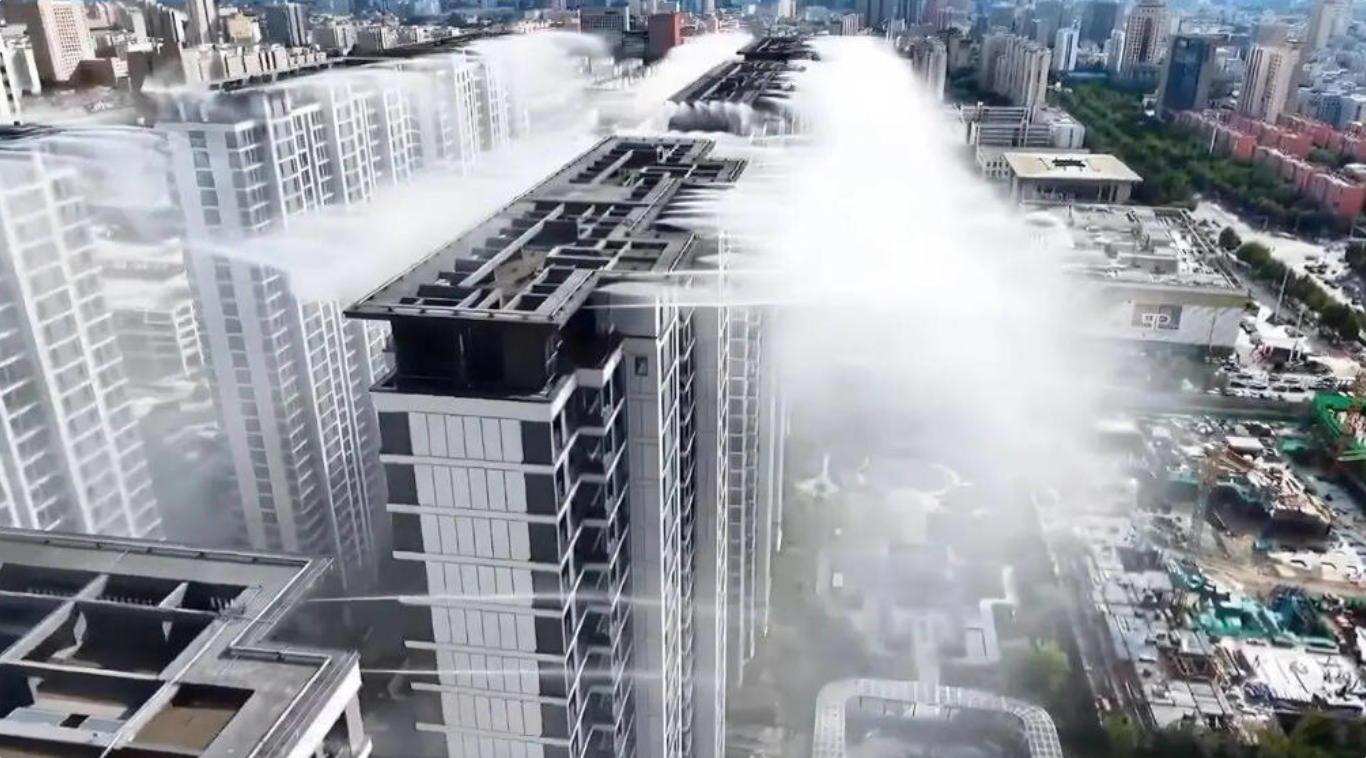
In Yuncheng, located in Shanxi Province, residential buildings have been fitted with spray systems designed to cool the surrounding air. These installations release fine water mist from rooftops, creating a visual effect similar to rainfall. The sight has captured attention on social platforms, sparking curiosity about how this technology actually functions.
The Physics of Evaporative Cooling
The system operates on a well-established scientific principle called evaporative cooling. When water sprays into the air and evaporates, it absorbs heat from the surrounding environment. This process reduces the temperature of the immediate area. The finer the water droplets, the faster they evaporate and the more effectively they cool the air.
Why This Method Works
Traditional air conditioning systems require significant energy consumption and infrastructure. Misting systems offer a more passive approach that relies on natural evaporation. They use considerably less electricity while still providing meaningful temperature reduction. This makes them particularly appealing for residential areas seeking cost-effective cooling options.
Beyond the Visual Appeal
While the rooftop misting creates an aesthetically interesting scene, the practical benefits matter most. Buildings equipped with these systems experience lower surface temperatures. This reduces the heat radiating into living spaces below. Over time, this can decrease indoor temperatures and potentially lower energy costs for cooling.
Environmental and Practical Considerations
Water consumption is an important factor to consider. Misting systems require a water supply and ongoing maintenance. However, in regions where water is available, the trade-off between water usage and energy savings may favor this approach. As cities continue addressing urban heat challenges, various cooling technologies will likely play complementary roles.
Looking at Urban Climate Management
Cities are increasingly recognizing the need for integrated approaches to temperature management. Rooftop misting represents one option among many strategies, including green roofs, reflective surfaces, and improved urban planning. As communities experiment with different solutions, innovations like these contribute to the broader conversation about making cities more livable in warming conditions.