What Earth May Have Looked Like Billions of Years Ago and What It Reveals About Our Planet's Future
Scientists theorize that ancient Earth looked nothing like the blue planet we see today. Discover what early atmospheric conditions reveal about how planets change and what it means for our future.
What Earth May Have Looked Like Billions of Years Ago and What It Reveals About Our Planet's Future
A Glimpse of Home from the Edge of Space
In 1990, the Voyager 1 spacecraft turned its cameras toward Earth one final time before leaving our solar system behind. From a distance of approximately 3.7 billion miles, the probe captured an image that would become iconic. What emerged was a small sphere—blue, delicate, and fragile-looking against the vastness of space. This photograph fundamentally changed how many people viewed our world.
The Colors of Our World Have Changed
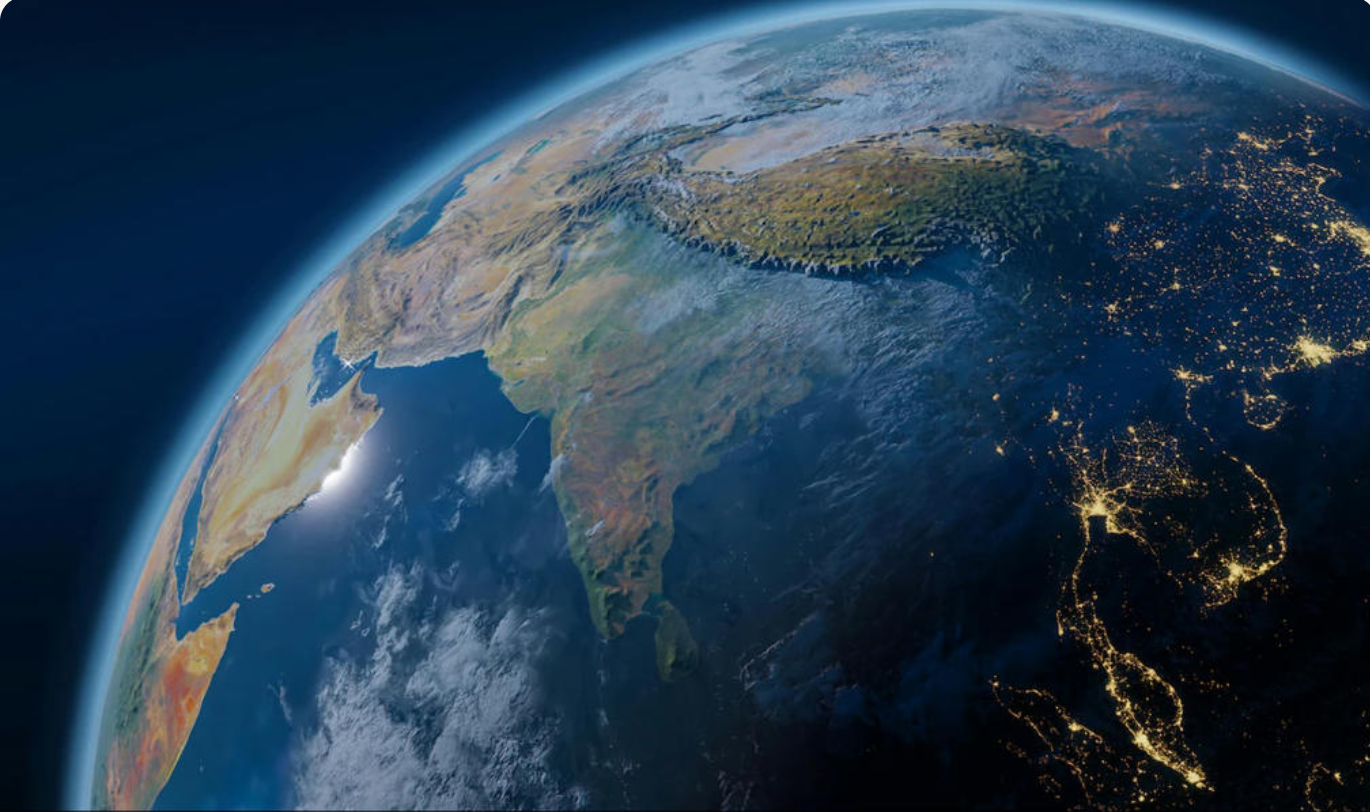
Today, when astronauts and space probes observe Earth, they see primarily blue oceans, white cloud formations, and patches of green and brown continents. However, planetary scientists propose that our world looked dramatically different in the remote past. Roughly 2.4 billion years ago, Earth may have displayed colors that would seem alien to us now.
Understanding Ancient Atmospheric Conditions
The appearance of ancient Earth was closely tied to its atmospheric composition. Early in our planet's history, different gases filled the sky, and various microorganisms dominated life forms. These factors combined to create environmental conditions entirely unlike what we experience today. The hues visible from space would have reflected these unique chemical conditions.
What Changed Our Planet's Color
The development of photosynthetic life altered Earth's atmosphere significantly. As simple organisms evolved and spread, they began producing oxygen as a byproduct of their biological processes. Over millions of years, this gradual change transformed our atmosphere's composition and, consequently, how light interacted with it. This shift had profound effects on all subsequent life on Earth.
Implications for Understanding Planetary Change
Studying Earth's ancient appearance helps scientists understand how dramatically planets can transform over geological timescales. These insights matter because they demonstrate that planetary systems are not static. Understanding these changes provides perspective on how our current world continues to evolve and how human activities influence that evolution.
Looking Toward the Future
Knowledge of how Earth has changed throughout history informs discussions about our planet's future trajectory. By recognizing the scale and pace of natural planetary transformations, we gain better tools for understanding both natural climate cycles and current environmental changes. This historical perspective is valuable for making informed decisions about how we steward our world.