World Cup Controversy Resolved: How Video Analysis Clarified a Disputed Penalty Decision
Was the referee wrong about Egypt's penalty appeal? Additional camera angles settled the World Cup controversy and vindicated the official's decision.
World Cup Controversy Resolved: How Video Analysis Clarified a Disputed Penalty Decision
A Match That Captured Global Attention
The 2026 World Cup knockout stage produced one of the tournament's most intense contests when Argentina faced Egypt in Atlanta. The match delivered drama in abundance, with Argentina ultimately winning 3-2 in a remarkable comeback performance that secured their advancement to the semifinals. Despite the thrilling conclusion, the victory came amid significant controversy surrounding refereeing decisions.
The Penalty Appeal That Divided Fans
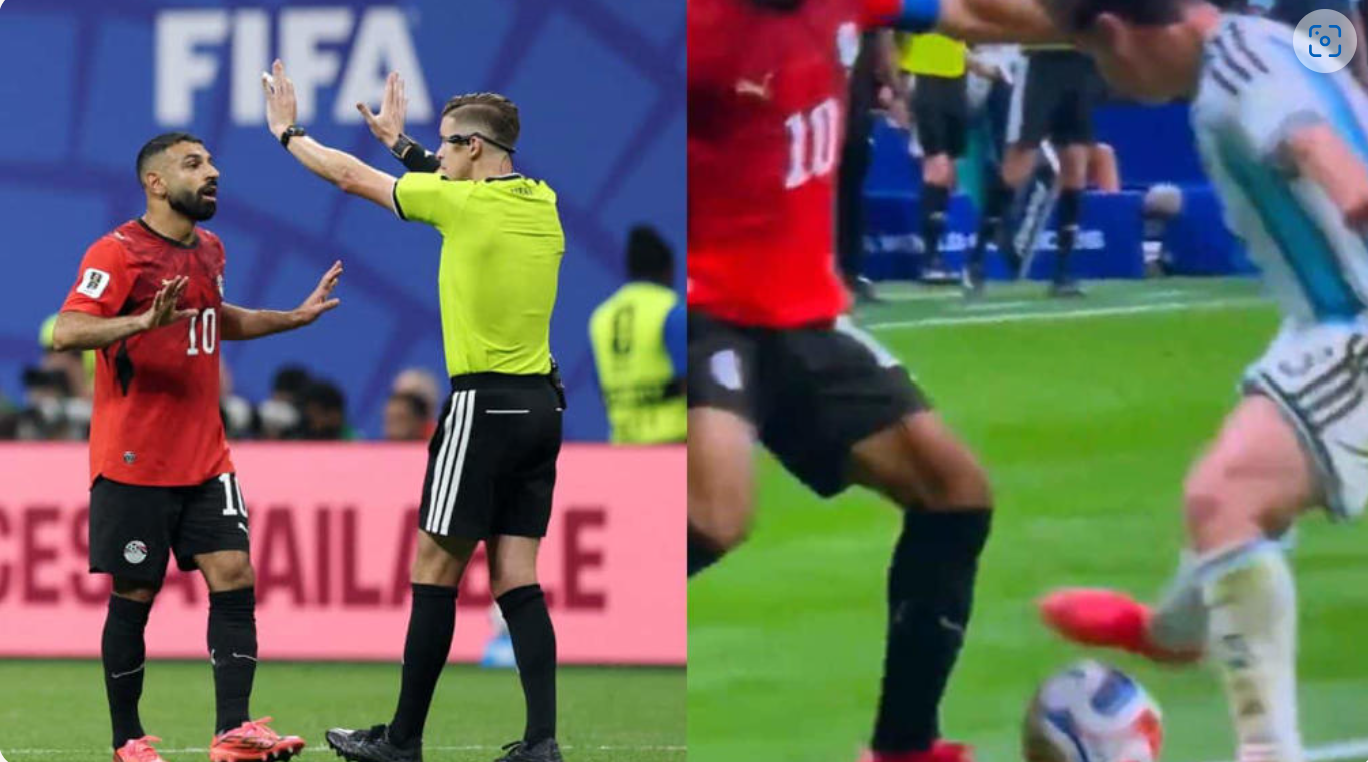
As the match approached its conclusion during stoppage time, Egypt's Mohamed Salah appealed for a penalty kick. This moment became the focal point of intense debate among supporters, analysts, and commentators worldwide. Many questioned whether referee Francois Letezier should have awarded the penalty to Egypt. The decision sparked substantial disagreement, with fans and experts landing on different sides of the issue.
Questions About Official Judgment
Letezier faced criticism for not awarding the penalty after Salah's appeal. Egypt's team and supporters questioned the referee's judgment on what many considered a crucial moment. Controversial calls in high-stakes matches often generate heated discussions, and this decision was no exception. The incident raised broader questions about consistency in refereeing standards during major tournaments.
New Perspective Through Technology
Video analysis provides an objective tool for evaluating contested moments in sports. When footage from an alternative camera angle became available, it offered a clearer view of the incident in question. This additional perspective proved valuable in assessing what actually occurred during the disputed play.
What the Additional Footage Revealed
The new camera angle demonstrated that Letezier's decision to not award the penalty was correct. The alternative view clarified the exact positioning of the players and the nature of the contact. This evidence supported the referee's original judgment on one of the match's most significant decisions. The footage vindicated the official's call, even though controversy had surrounded it immediately after the match.
The Role of Video Review in Modern Football
Modern football increasingly relies on video analysis to review disputed moments. Multiple camera angles provide referees and review officials with comprehensive information. This technology helps ensure that critical decisions are based on the fullest possible evidence. However, access to these angles often comes after the match concludes, highlighting the challenges officials face making real-time judgments.
Perspective on Officiating Challenges
Referees must make instantaneous decisions during fast-paced matches without the luxury of reviewing footage. Video technology has improved post-match analysis significantly, allowing for more accurate assessment of controversial calls. While this doesn't change the outcome of matches already played, it contributes to understanding how officials perform their duties. Future improvements in technology and protocols may enhance real-time decision-making capabilities.